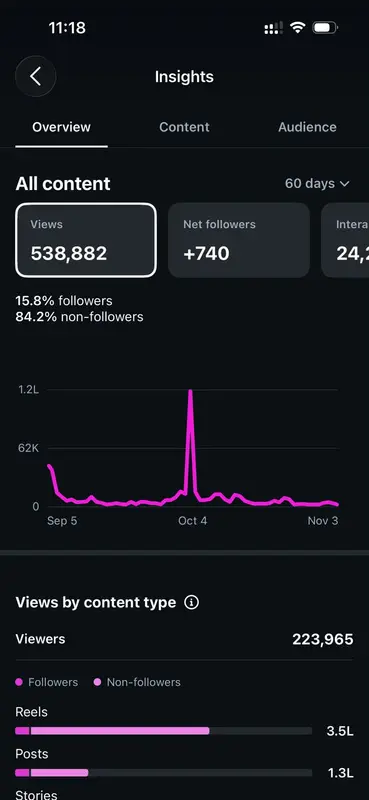
Social Media Content Is Not a Random Process: How to Create a Winning Content Strategy Through Research
Posting every day is not a strategy. Here is how audience and competitor research turns social media content from guesswork into a plan that works.
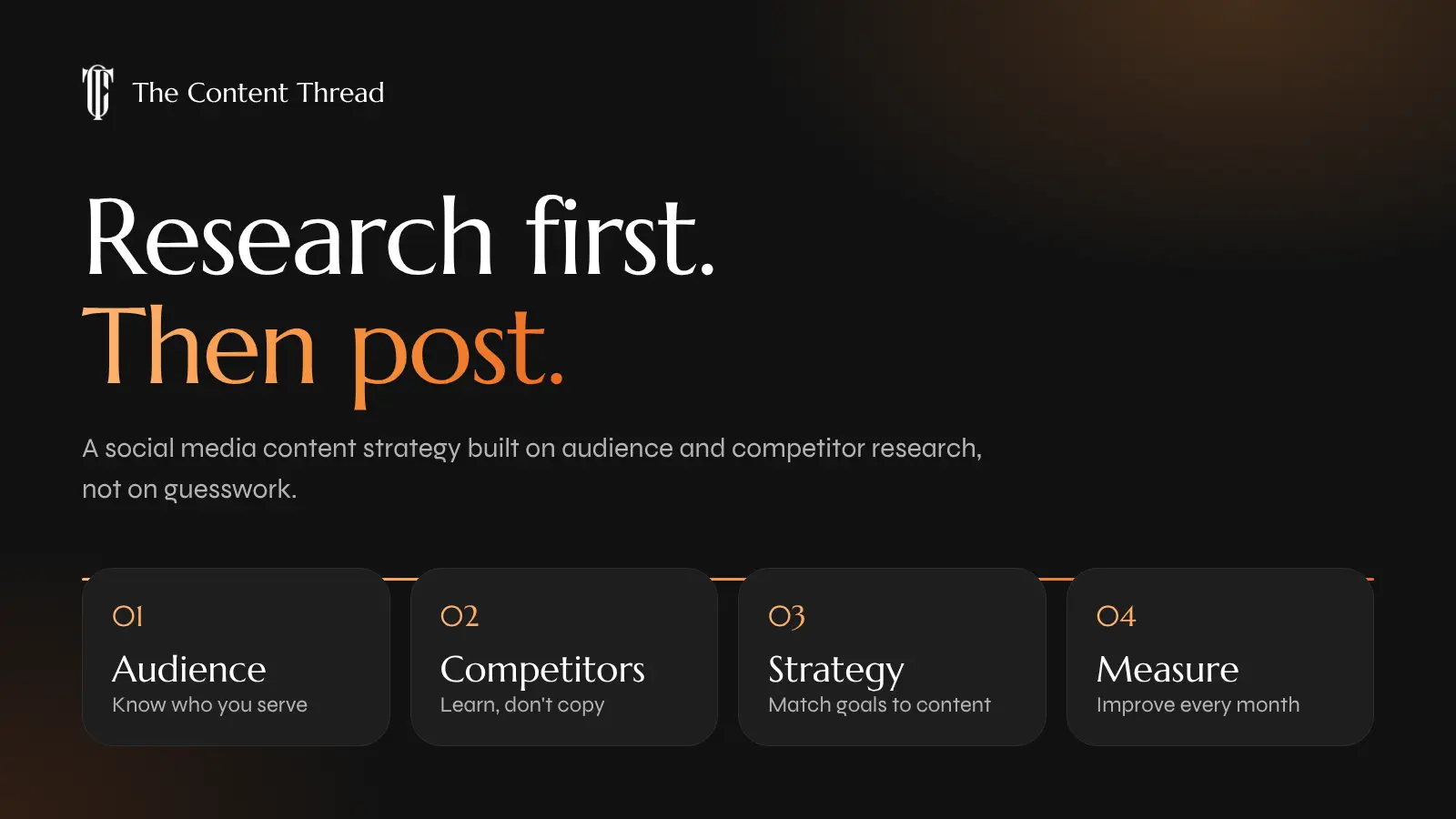
Social media has had a very big impact on businesses, in positive as well as negative ways, from how they communicate and engage with their audiences and customers to their brand awareness. However, simply posting content on social media every day isn't enough. Many businesses copy popular content and put something out regularly, without knowing whether it will speak to the right audience. The important part of building a content strategy for social media is research. Research helps brands understand their audience and what they actually need.
Why posting regularly is no longer enough
Consistency plays an important part nowadays, but it does not automatically lead to business growth. For example, a clothing brand posts photos and videos of its collections daily but fails to handle customer queries and after-sales service. That leads to a loss of customers and of brand value. A strong social media marketing strategy always aims for relevant information, not just for filling a posting schedule.
Knowing your audience is just as important. Ask:
- What issues are they dealing with?
- What common questions do they have?
- What are their favourite media?
- What do they care about?
- Which social media platforms do they use the most?
Once companies have this information, they can produce material that resonates with readers instead of just filling up their posting schedule.
Learn from your competitors instead of copying them
Your competitors can give you great insight into what's going on inside your industry. But competitor research shouldn't be limited to checking their follower counts or their most popular posts.
Social media competitor analysis means looking into other brands' communication, their topics, their formats and how their followers react. First, pick a couple of direct competitors and go through their content from the past few months. Review their page, their reels, their carousels, their captions, the way their page looks and how they interact with their audience. For instance, if many competitors post promotional material but rarely post educational material, your brand may have a chance to go in a different direction.
This isn't about cloning successful content. It is about understanding what makes certain content work and how you can express your brand's own point of view. A detailed competitor analysis helps you find gaps in your competitors' content, come up with new ideas and build your own online identity.
Create a clear content strategy
The first step is gathering information. The real benefit comes from using that research to make decisions. A good content strategy aligns your readers' interests with your business goals.
If you want to build brand awareness, focus on storytelling, educational and shareable content about your industry. If you are after enquiries, create content that explains your services, shares customer case studies and answers the questions people ask during the buying process.
Ask yourself these three questions:
- What questions does the audience have?
- What message or idea does the brand want to convey?
- In what way does the content connect the two?
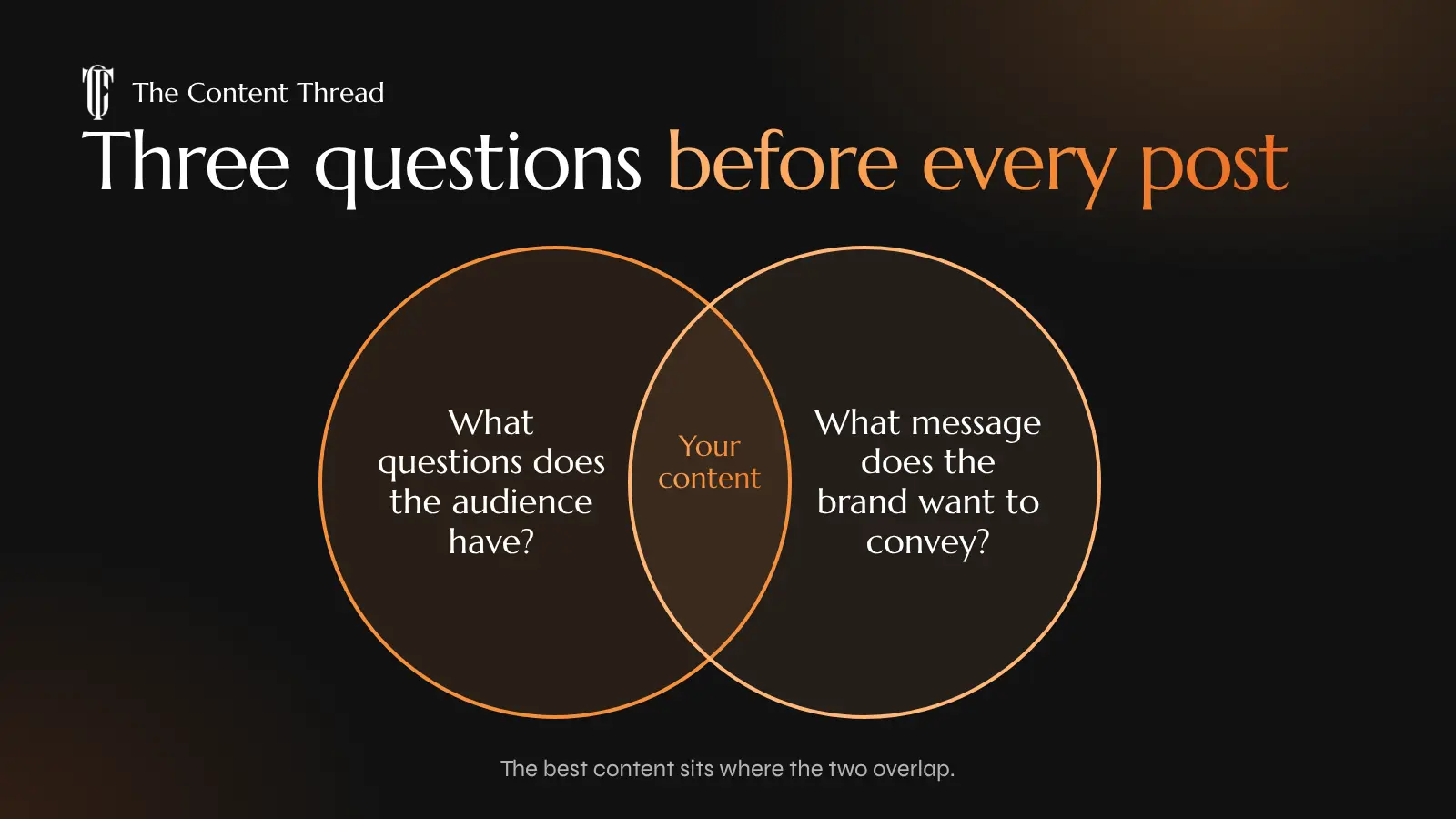
This is how you share an informative message, and it makes sure the business sends the same message across every platform. Not every post has to promote a product. Sometimes it is better to share information that is useful or solves a problem than to try to persuade someone to buy something or take some action.
Base your content plan on research, not trends
Trends create room for creativity. But it is perfectly fine not to embrace every trend in audio, challenges or formats. Instead of following a trend blindly, do research, then shape a plan around the interests of your audience and the objectives of the company.
To begin with, group your content under clear content pillars. They can be educational content, expert content, behind-the-scenes content, testimonials and promotional content.
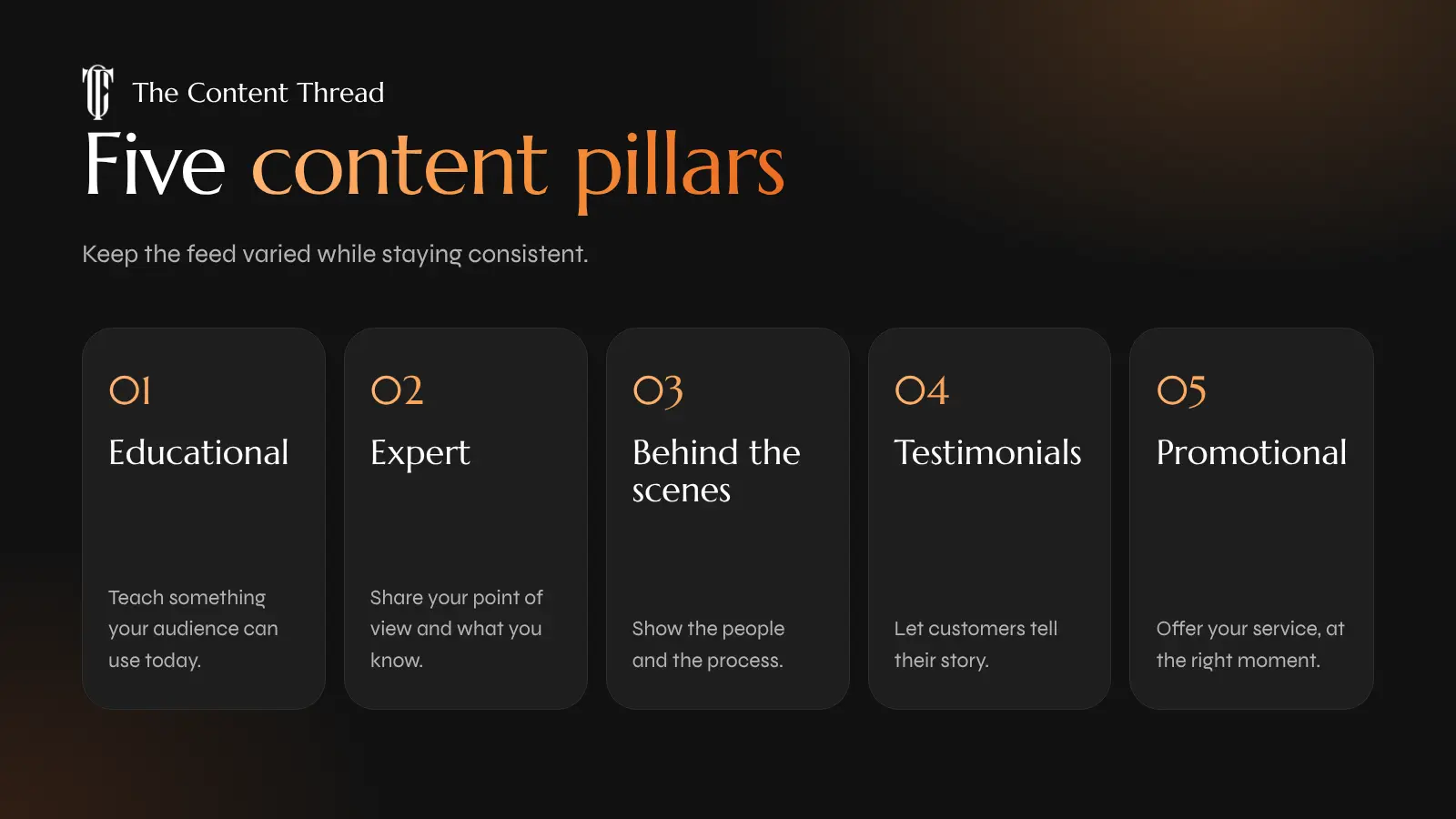
Pillars keep things varied while remaining consistent. Then a content calendar can be used to plan topics, formats, captions and publishing dates. But planning should never be so strict that the brand can't adapt to new audience interests and relevant industry happenings.
Measure performance and keep improving
Once content is live, the numbers tell you what to do next. Look at metrics such as:
- Reach: how many unique accounts did your content reach?
- Saves: do people come back to your posts? It is a sign they find them helpful.
- Shares: does your content have enough value or relevance for people to share it?
- Comments: is your content encouraging meaningful conversations?
- Profile visits: are people interested in learning more about your brand?
- Website clicks: are people taking the next step as a result of social media?

A handful of saves, shares or good questions can be worth more than a post that gets many likes but no real interest. Content research and performance need to be tied together. What you learn before publishing guides how you create content, and the results you get after publishing guide your next decisions.
Key takeaways
- Posting daily is not a strategy; relevance is.
- Study competitors to find gaps, not to copy them.
- Connect audience questions with your brand's message.
- Plan around content pillars and research, not every trend.
- Judge posts by reach, saves, shares, comments, visits and clicks, not likes alone.
See this approach in real work.
Social Media Marketing case studies